Story
The kind of evening that arrives slowly, with warm tea, a cedar-scented breeze and a ridge line glowing at dusk. Here is how an ordinary hill-house evening actually unfolds, minute by minute, until the stars arrive.
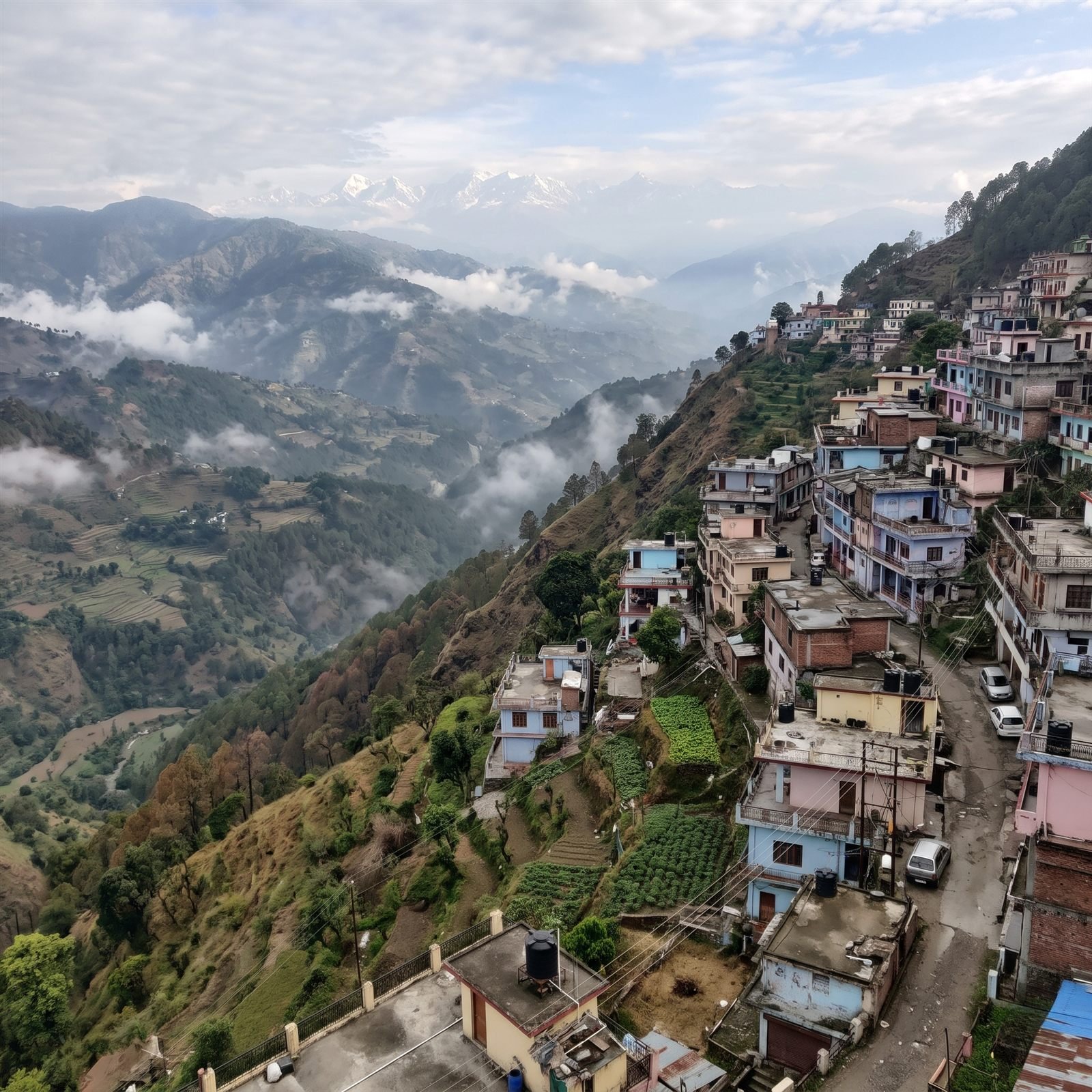
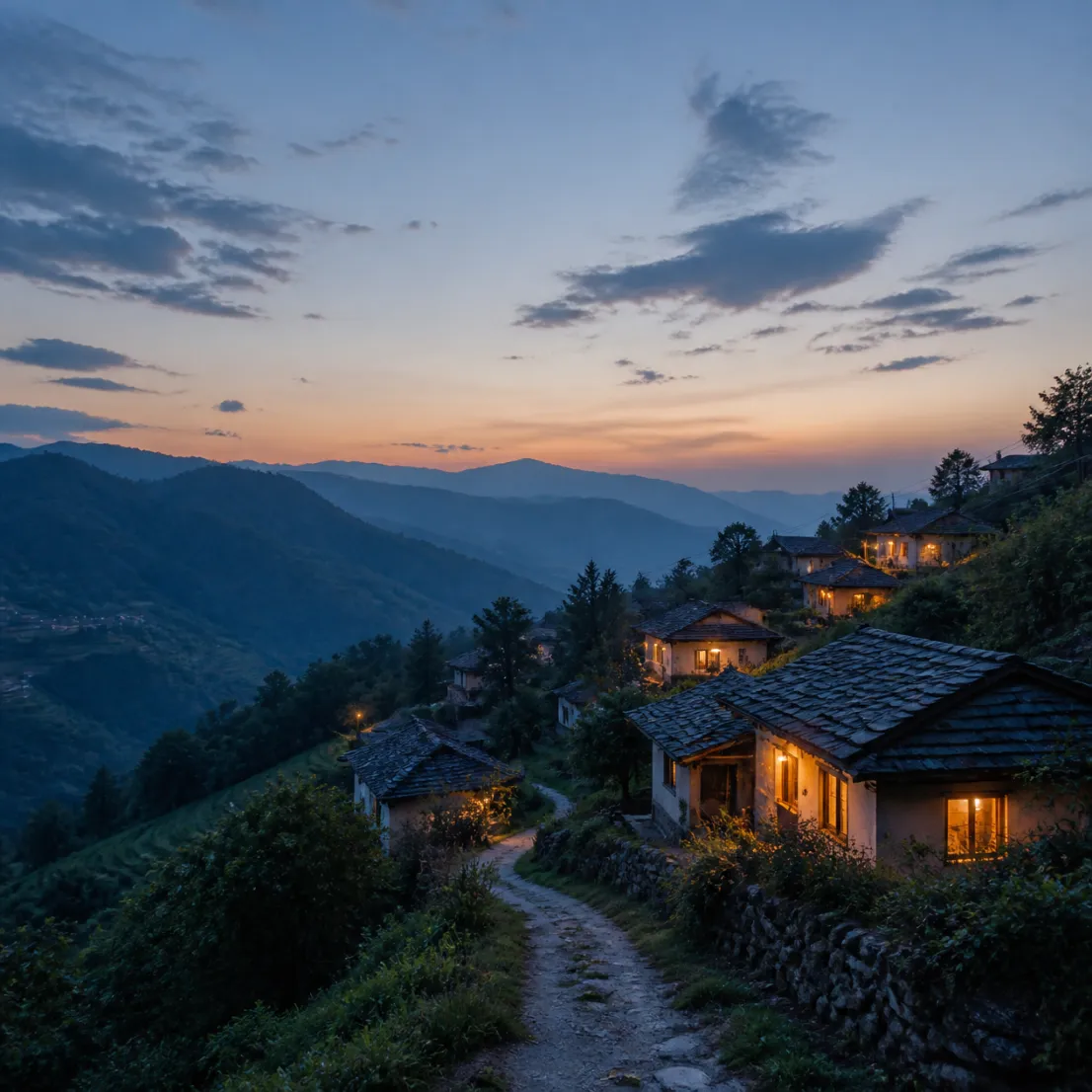
There is a moment on a hill evening when the day quietly hands itself over. The sun is still up somewhere behind the far ridge, but the light has gone long and amber, and the air that was bright and busy an hour ago has turned still and slightly cool. You feel it on your arms first. Then in the sounds: a dog somewhere down the slope, a pressure cooker rattling two houses away, and water being poured somewhere out of sight.
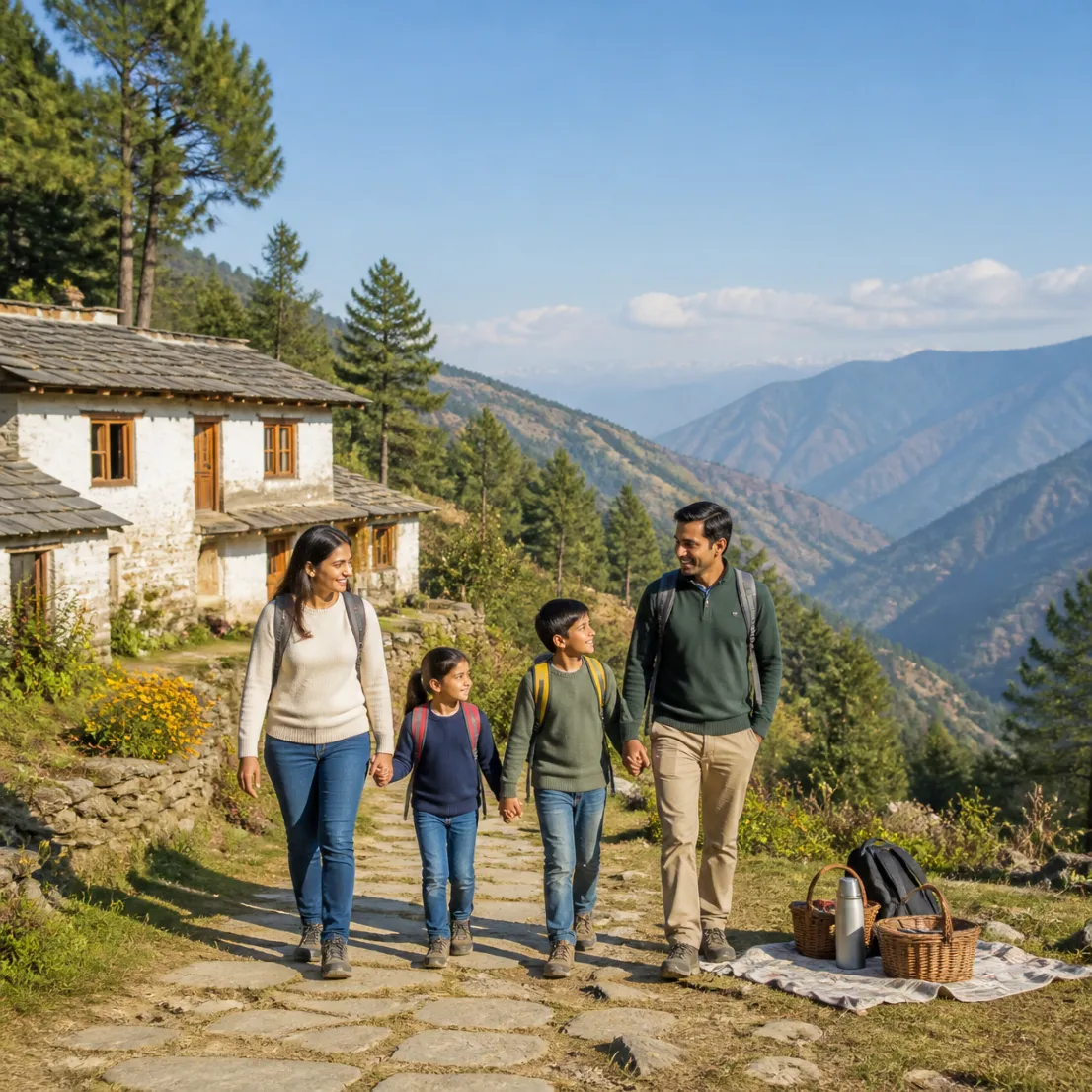
I remember one such evening near a small stone house above Ranikhet. Nobody had planned it. The plan, if you can call it one, was tea. Somebody brought out a kettle, somebody else a folding stool, and within minutes half the household had drifted to the little flat patch outside the kitchen door, the way families in the hills do when the light turns kind. The grandmother carried a shawl out with her without being asked. The child followed the shawl. The rest of us followed the child.
The talk goes nowhere on evenings like this, and that is the whole point. Somebody said something about the winter roads. Somebody laughed at a memory of a neighbour's stubborn mule. A grandfather corrected the exact height of the ridge across the valley and nobody bothered to argue, because he was mostly right and always certain. An aunt refilled cups without being asked, two fingers pinching the rim, the way hill families pour tea - steady, unceremonious, endless.
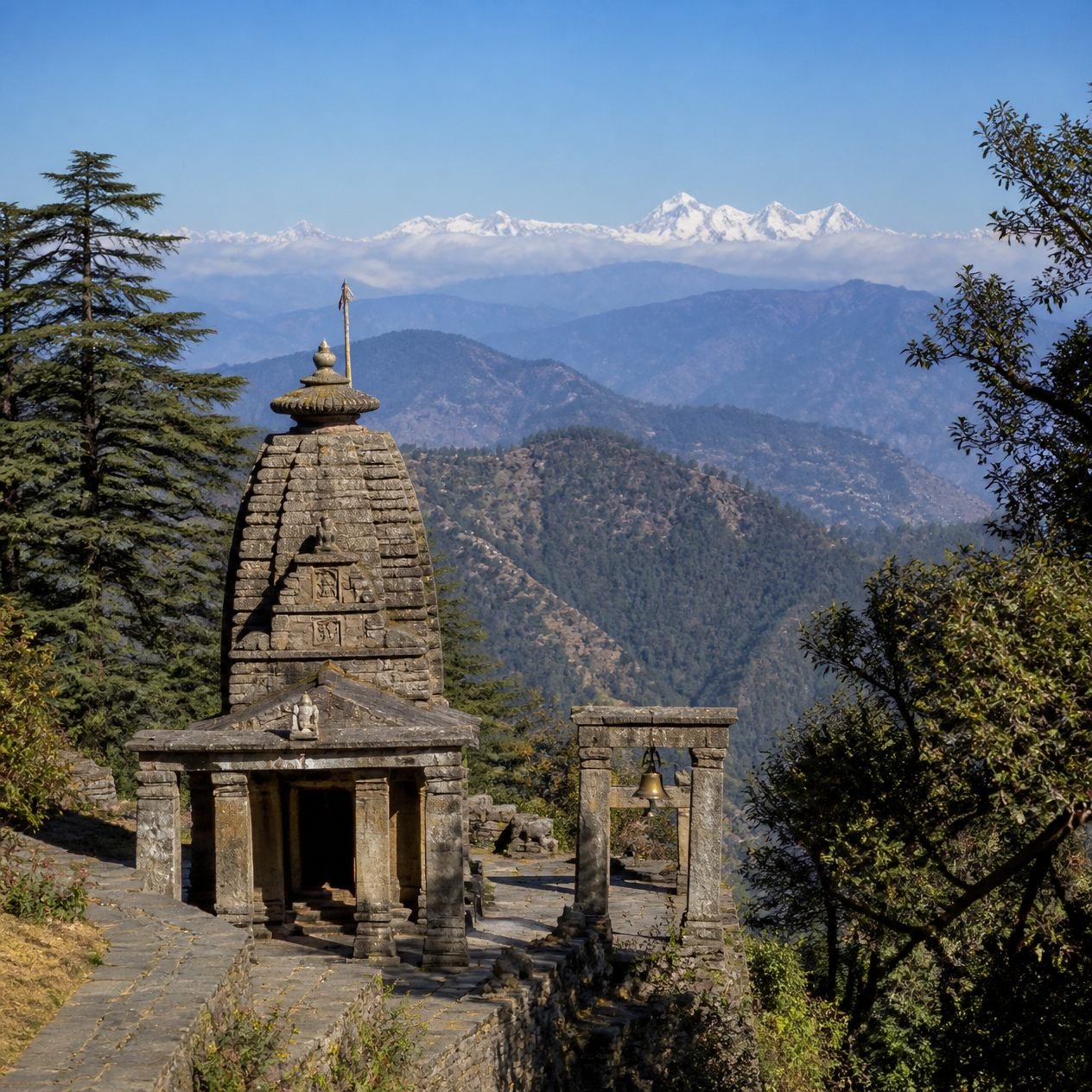
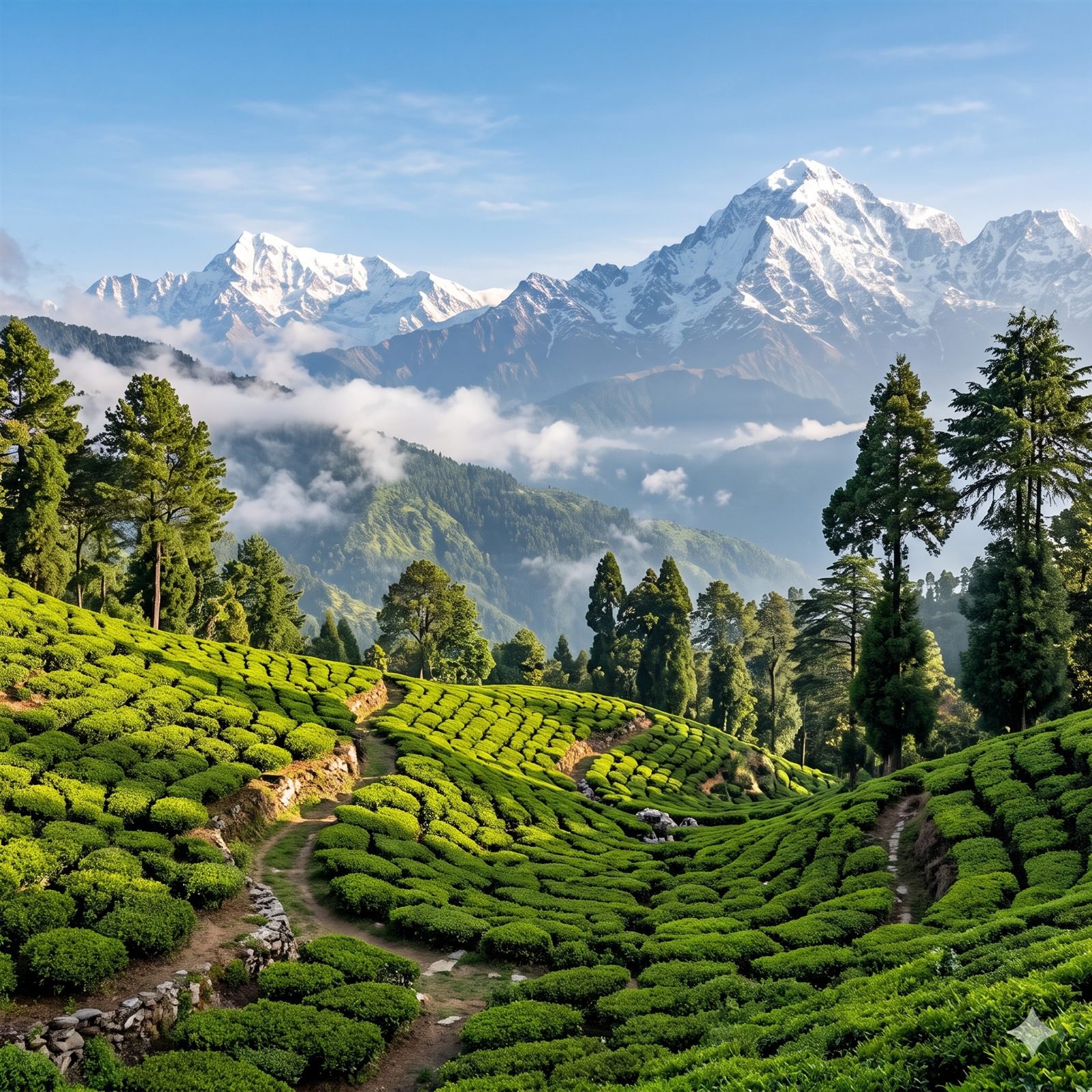
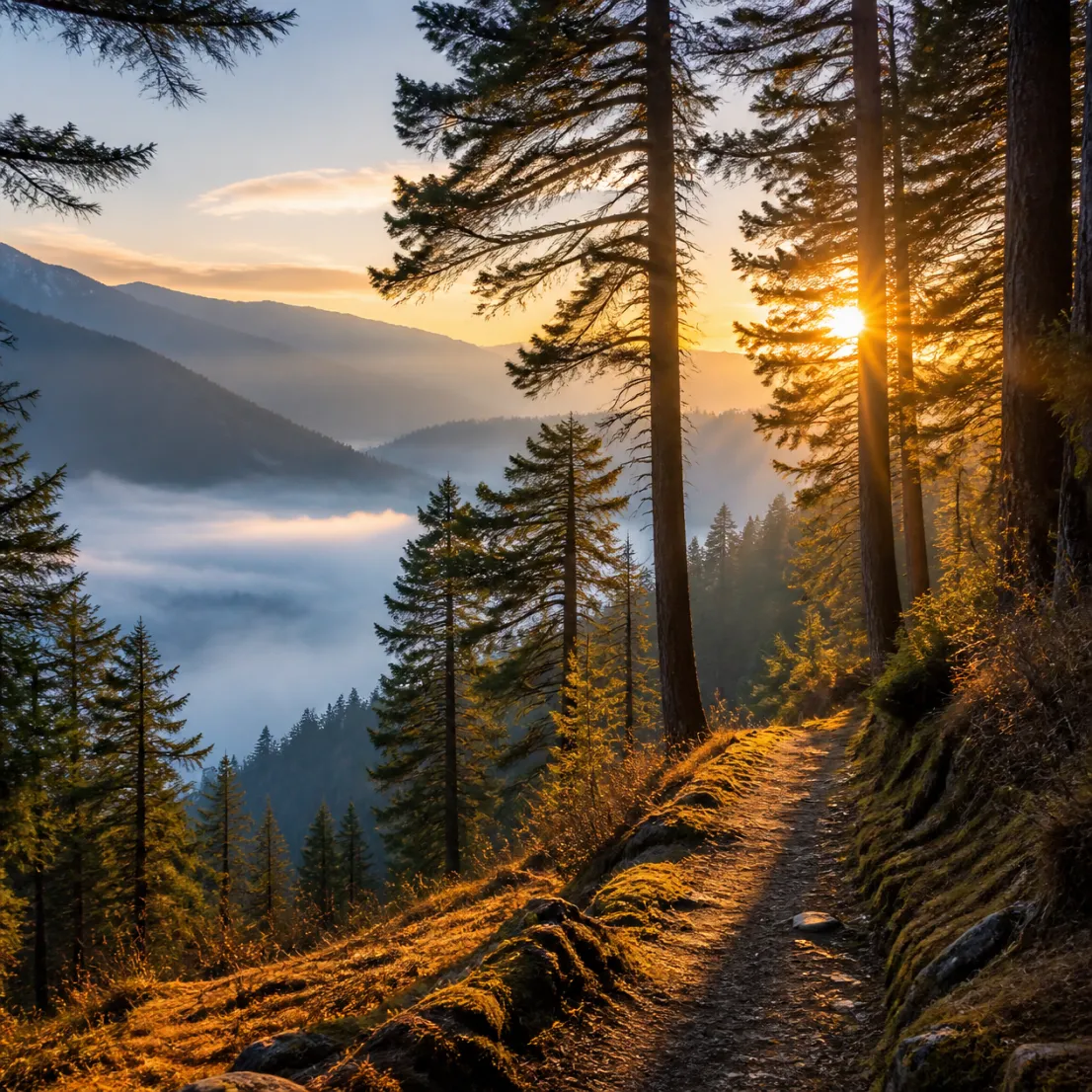
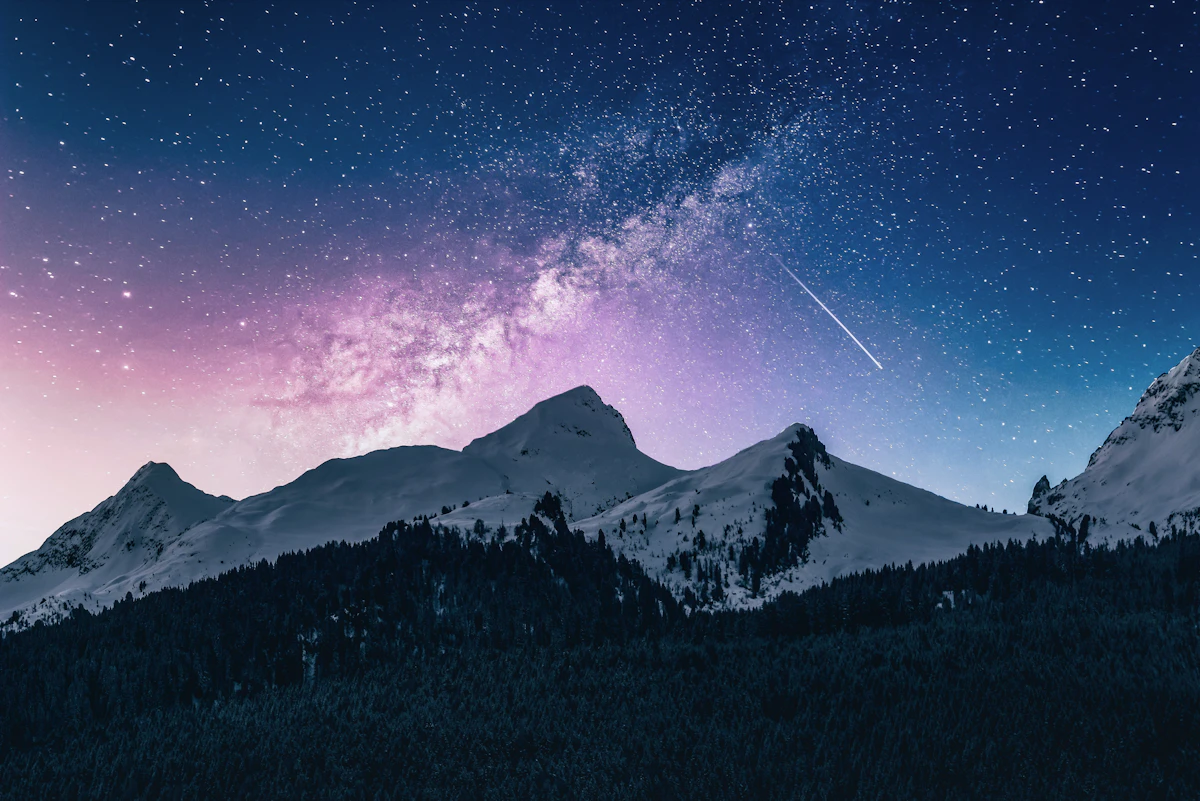
Meanwhile the ridge did its slow work. First it went from green to grey-green. Then the far line darkened to ink while a single thin stripe of orange held on above it, looking almost brushed on. Somewhere in that half hour, without any announcement, the stars opened. One at a time, then a handful, then more than I could count before the tea went cold.
The mountain does not ask for hurry. It simply asks to be noticed. And once you have noticed it properly - once you have sat still through the whole change from day to dark with your hands around a warm cup - you understand why people in Uttarakhand pace their evenings the way they do. Nothing about the hills rewards the rush. The best part of the day arrives last, and it only lasts if you agree to stay long enough for it.
We went in when the cold started squatting on the stones. The door closed softly on the dark, the kettle went back on the stove for round two, and outside the quiet of the hills settled in for the night. I have watched sunsets in a dozen famous places since then. I still measure every one of them against that unremarkable veranda, with its five people, its four cups, and its one slowly disappearing ridge.
“The mountain does not ask for hurry. It simply asks to be noticed.”
“An evening in the hills starts when the day's plan ends.”
Questions
Questions people ask about this story
What is the best way to enjoy a quiet evening in the Uttarakhand hills?
Stay in a homestay, skip the itinerary after four in the afternoon, and sit outside with tea through the whole change from golden light to starlight. The evening in the hills is slow by design, and it rewards anyone who is willing to sit longer than one cup.
Which hill towns are best for slow evenings in Uttarakhand?
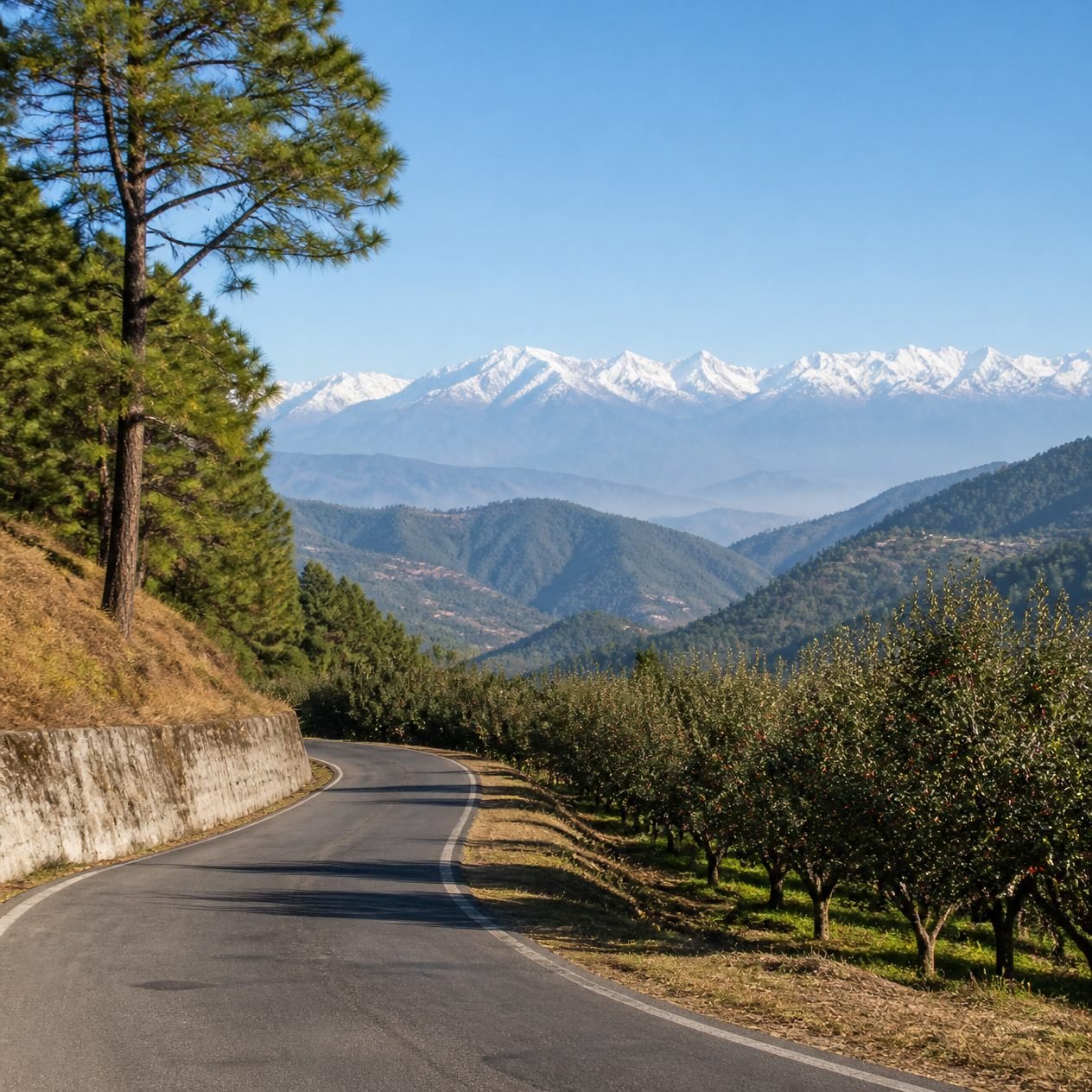
Ranikhet, Binsar, Mukteshwar, Kausani and the small hamlets around them are known for quiet ridge-line evenings with Himalayan views and very little traffic after dusk.