Story
A winter morning in the hills told slowly - cold breath, pine dark and the slow arrival of colour over a snow-brushed ridge, from the first cough of the household to the moment breakfast lands on the table.
In the hills, you do not wake to an alarm in winter. You wake to the sound of the household before daybreak: the clink of the bucket at the water tap, the low murmur of the radio in the next room, and the particular cough of an uncle who has been up for an hour already, sweeping the courtyard stones clean of last night's frost.
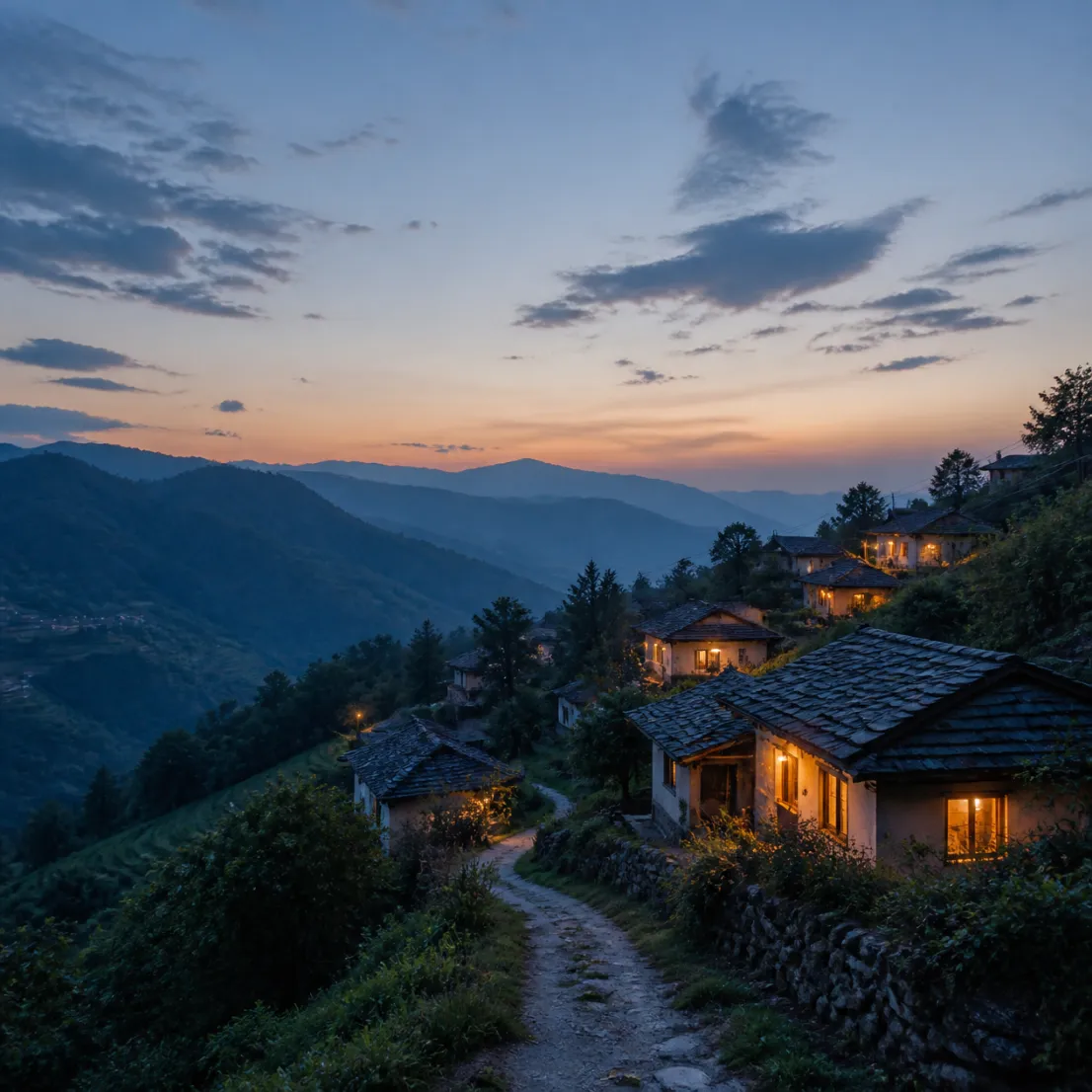
I had come to a homestay above Binsar in late December with plans I quickly abandoned. The plans were for treks and viewpoints. The morning had other ideas. I stepped out into blue darkness because I could not sleep, and the cold arrived in one clean move - a dry, pine-scented cold that found the gap between my collar and my neck immediately, and stayed.
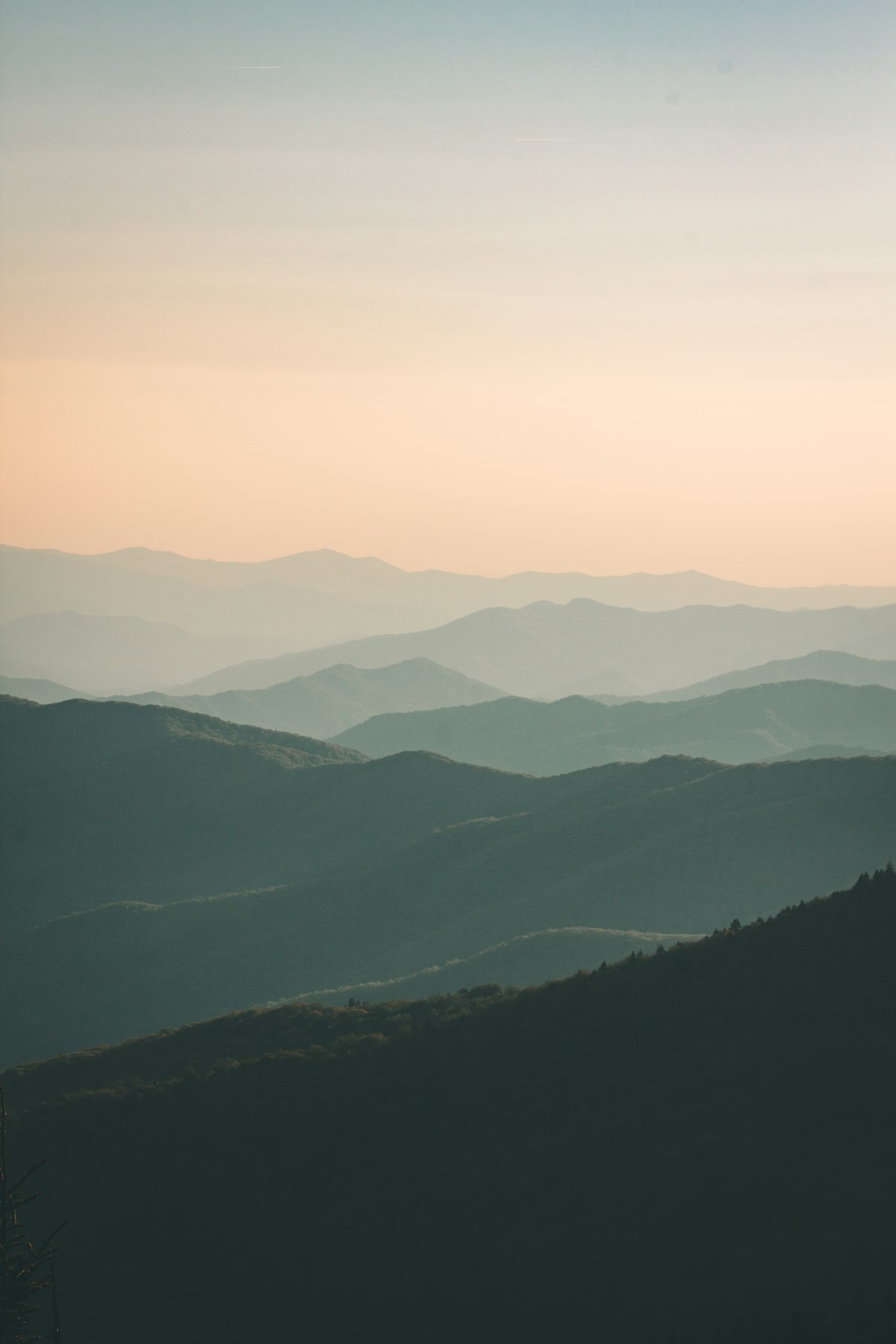
No birds yet. Not a single one. The forest stood around the clearing like a held breath, and the frost on the wooden railing had its own pale light. Mist sat low between the pine trunks, not moving, as if it were still asleep too and planned to be for at least another hour.
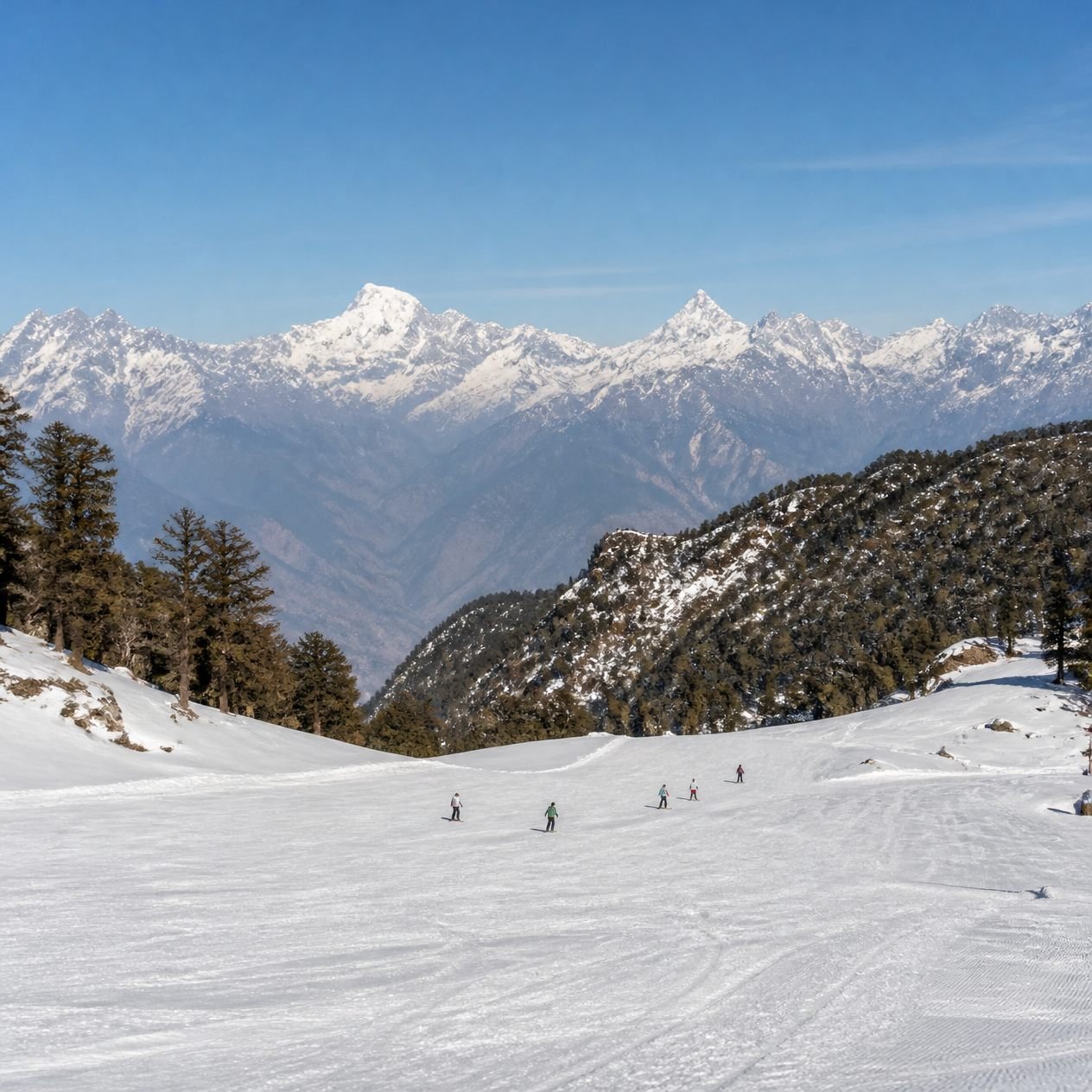
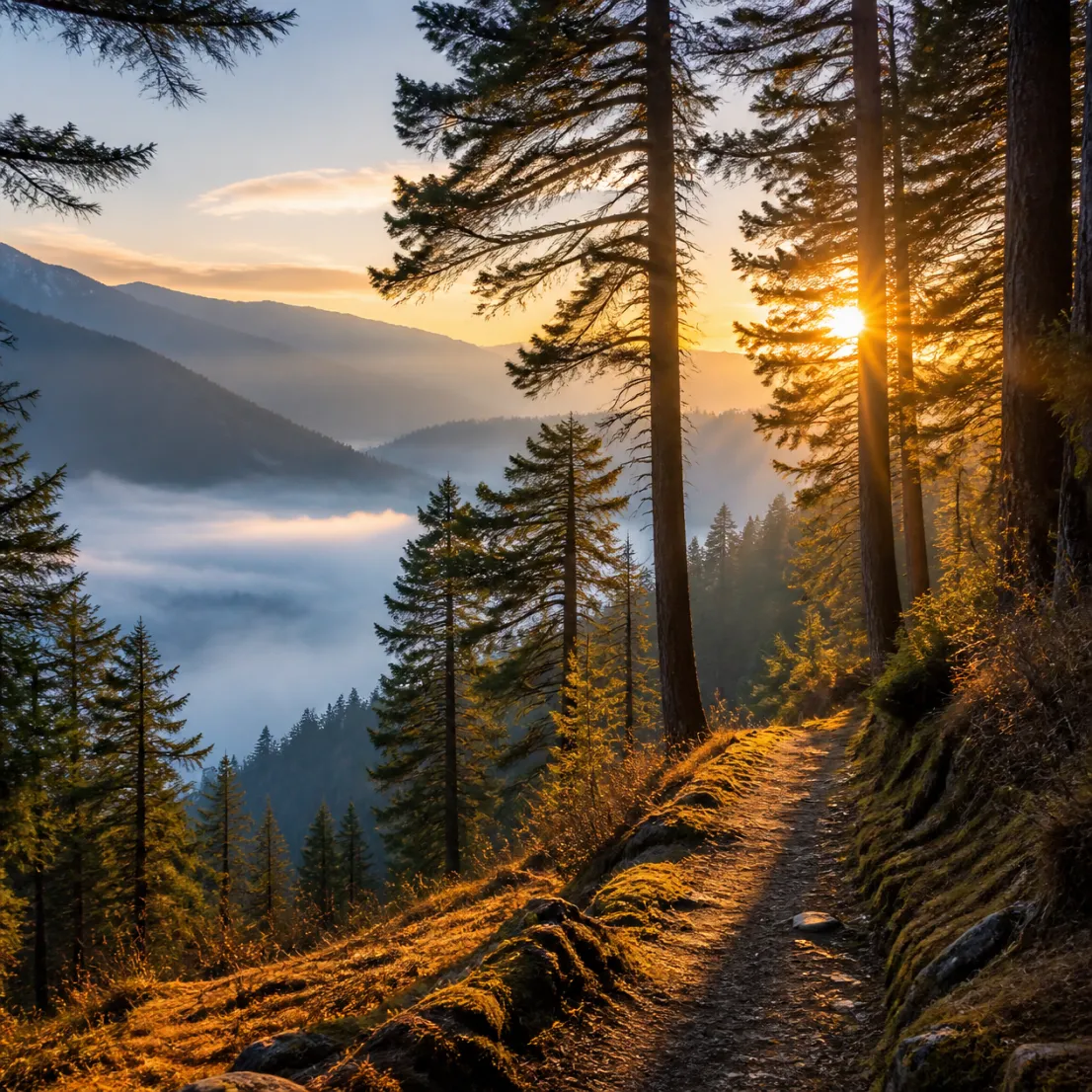
And then the slow process that hill people simply call morning began. It did not come from the sun, not at first. It came by reflection: the highest snow peaks across the valley took a faint pink on their edges, held it, let it go, took it again. A thin gold line climbed the far ridge in two moves and three pauses. Then, all at once, light fell through the pines in long slanting bars, and every shadow in the forest swung gently east, like a crowd turning to look.
The first bird actually made me jump - a single sharp note from somewhere invisible above my head, followed by a second and a third until the silence broke apart entirely. A woodpecker started somewhere down the slope, and a hill myna answered from the roof of the outhouse. The kettle went on inside. The smell of woodsmoke drifted out and mixed with the resinous smell of the warm pines, which is the exact smell I would save from any day of my life if I could choose one.

Standing there, hands numb, coffee going cold in one hand, I understood the practical truth that hill families live by: the mountain morning is not a photo, it is a shift change. The forest is on the night shift until first light. The birds take over. Then the mist clock strikes and goes off duty by ten. Travel slow enough and you start travelling on their schedule instead of yours - and the hills start looking after you the way they look after their own.
By the time breakfast came out - parathas too hot to eat, butter melting faster than you could spread it - I had already watched the whole day open like a letter. Write this morning into your Uttarakhand trip if you can. Wake before the light once. Stand still in the pine cold. Let the hills do their slow reveal.
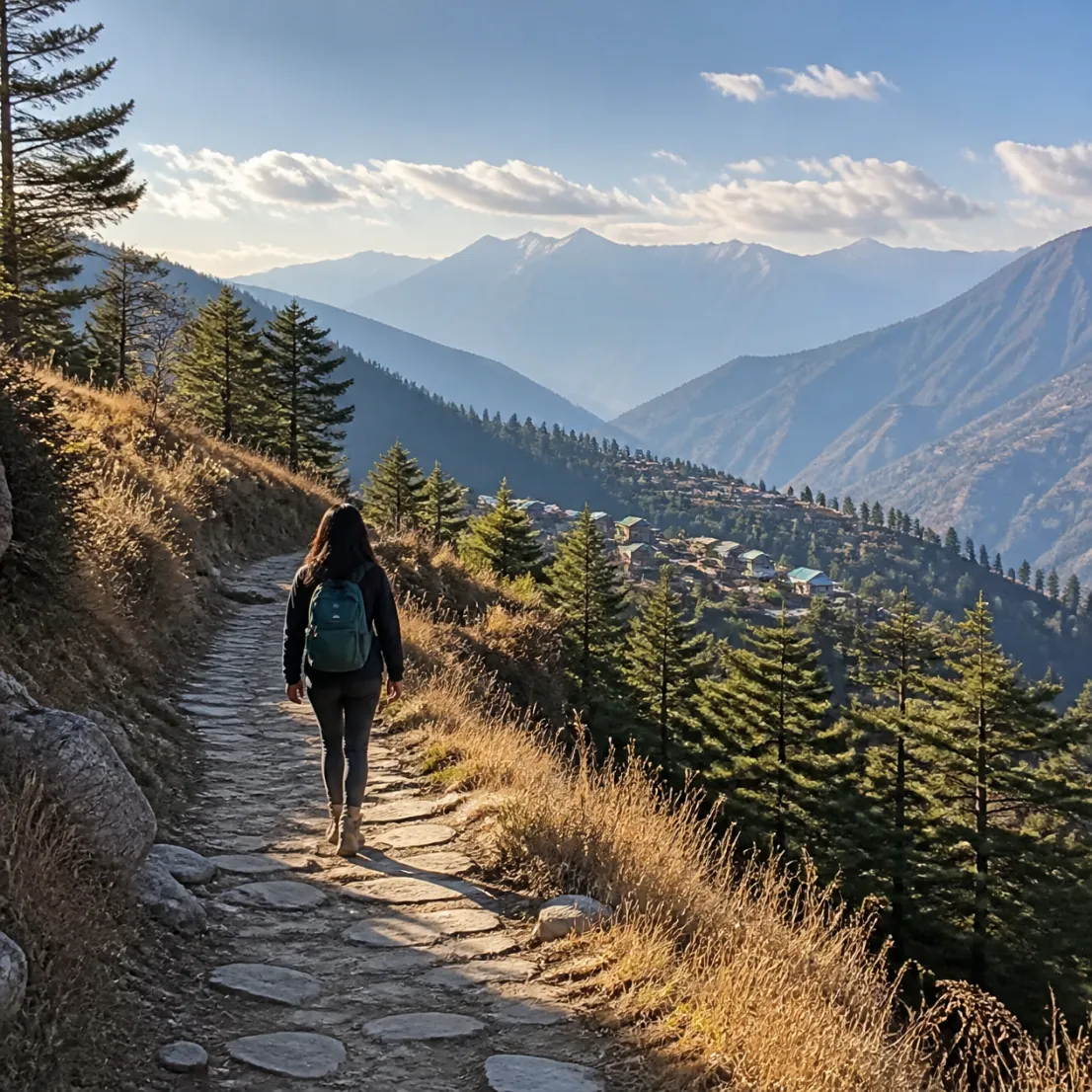
“Morning light makes even the quietest trail feel important.”
“First light does not arrive in the hills. It is handed over, ridge by ridge.”
Questions
Questions people ask about this story
When should I wake to see first light over the Himalayas?
Get up about an hour before sunrise in winter. The first colour appears on the high snow peaks well before the sun clears them, and the forest stays in blue half-dark until the light finally falls through the pines.
Is December a good time to stay around Binsar?
December is cold but beautiful around Binsar: clear air, frozen mornings, near-empty trails and long views of the snow line. Carry proper layers, as homestays keep warm interiors but the courtyards freeze at night.